
With the support of SOS Lemurs, the Andrafiamena–Andavakoera Protected Area has strengthened its Participatory Ecological Monitoring (PEM) system. Working alongside local communities and KMTs, Fanamby installed 24 new monitoring devices to better track lemurs and the surrounding flora. A particular emphasis was placed on strengthening skills in the use of the SMART application and on fostering community ownership of conservation efforts.
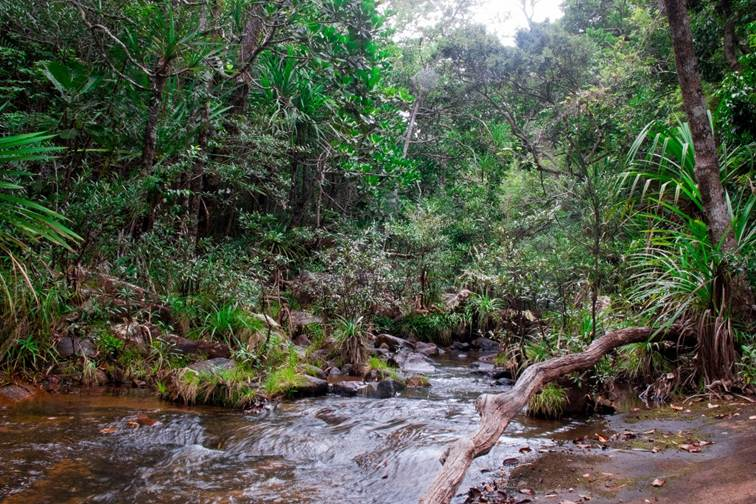
The Andrafiamena–Andavakoera Protected Area, in northern Madagascar, is the only refuge of Propithecus perrieri, also known as Akomba Joby, a black-furred lemur. Around it, rare orchids, dry and humid forests, and a multitude of species share the same habitat. Yet this ecosystem faces constant human pressures, notably deforestation, bush fires, and poaching.
To address these challenges, the site manager relies on Participatory Ecological Monitoring (PEM). This approach directly involves neighboring communities in data collection. Members of the Komity Miaro ny Tontolo iainana (KMT), elected by villagers, carry out regular patrols. Their empirical knowledge of the terrain is now complemented by the use of standardized technological tools.
Integration of the SMART tool
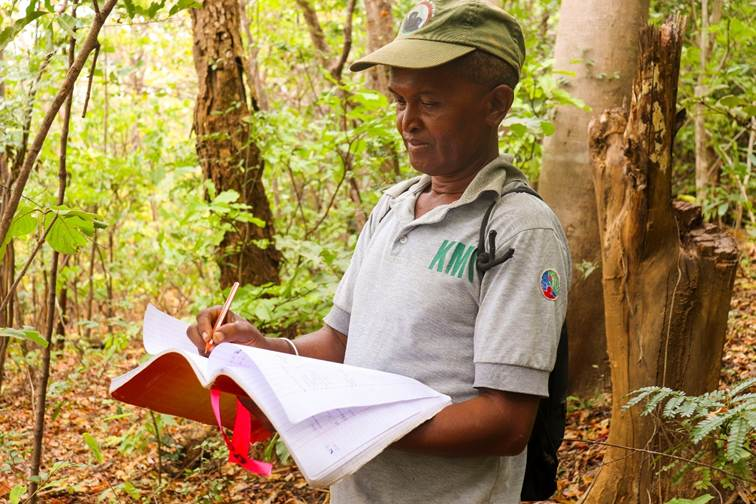
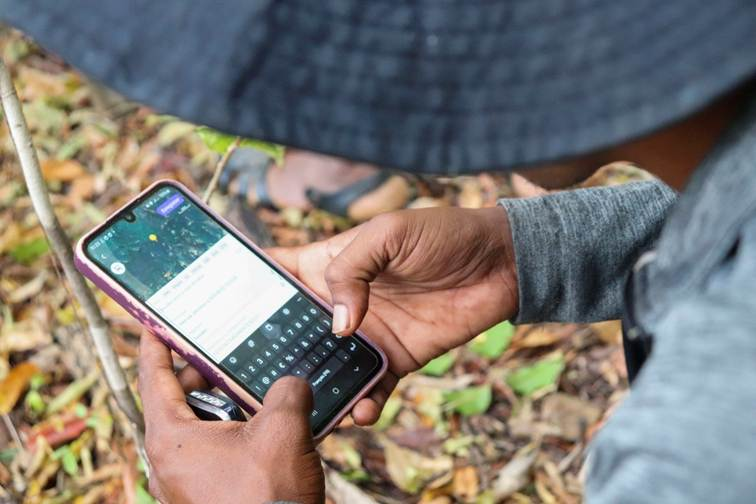
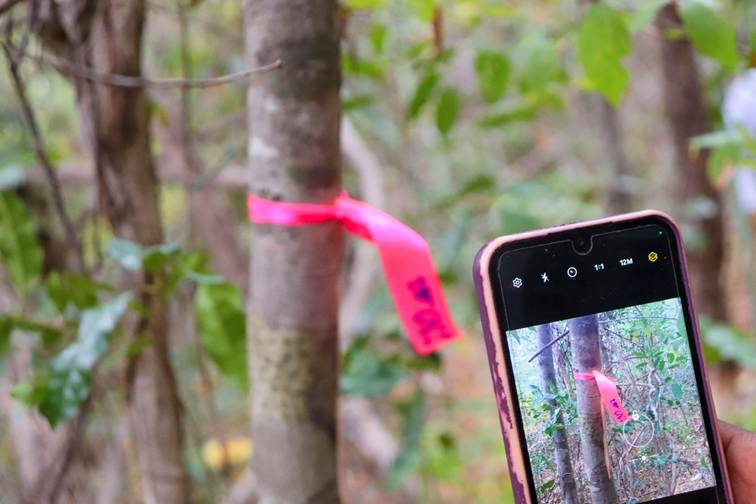
Technically, the system is based on the SMART (Spatial Monitoring and Reporting Tool) application, installed on smartphones. This tool enables patrol teams to record their observations with greater rigor.
The use of SMART brings three major improvements to monitoring:
- Geolocation of data: Each observation (presence of lemurs, wood cutting, traps) is recorded with exact GPS coordinates, enabling precise mapping of pressures and biodiversity.
- Information transmission: Collected data are transmitted to Fanamby’s technical teams, facilitating analysis and decision-making related to fire management or anti-poaching efforts.
- Methodological standardization: The system includes the establishment of 12 wildlife transects (fixed observation lines) and 12 botanical plots, ensuring consistent long-term monitoring of lemur populations and vegetation status.
Akomba Joby, an umbrella species
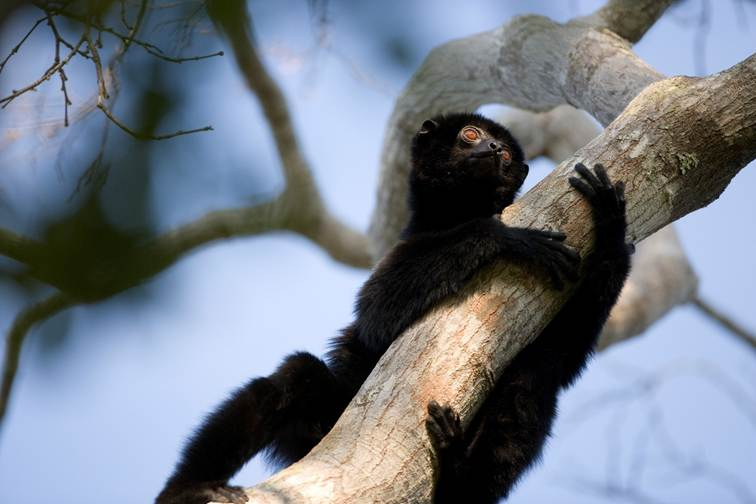
The conservation of Propithecus perrieri follows an ecosystem-based approach. As an “umbrella species,” its protection requires the preservation of extensive habitats, which indirectly benefits other animal and plant species sharing the same environment. Habitat preservation also maintains essential ecosystem services for local populations, such as water availability, microclimate regulation, and soil conservation.
Strengthening community involvement
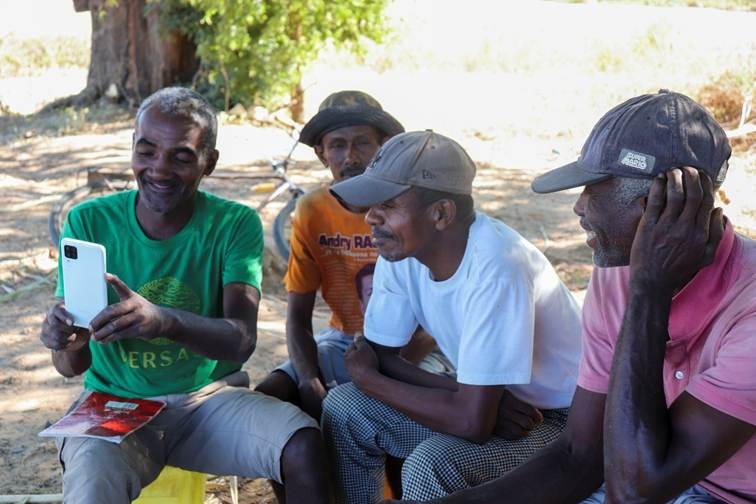
This project highlights the evolution of local governance. Communities are no longer viewed merely as beneficiaries, but as central actors in environmental management. The work of the KMTs—combining local knowledge with modern monitoring tools—demonstrates this growing sense of responsibility. With the support of SOS Lemurs, this initiative illustrates the importance of close collaboration between technical support and community engagement to ensure the sustainability of conservation actions.
In the long term, consolidating the data collected through the SMART application will make it possible to refine management decisions for the protected area. This flow of standardized information, ensured by local actors, is intended to guide conservation actions based on evidence, thereby guaranteeing an appropriate response to the environmental pressures weighing on the habitat of Propithecus perrieri.