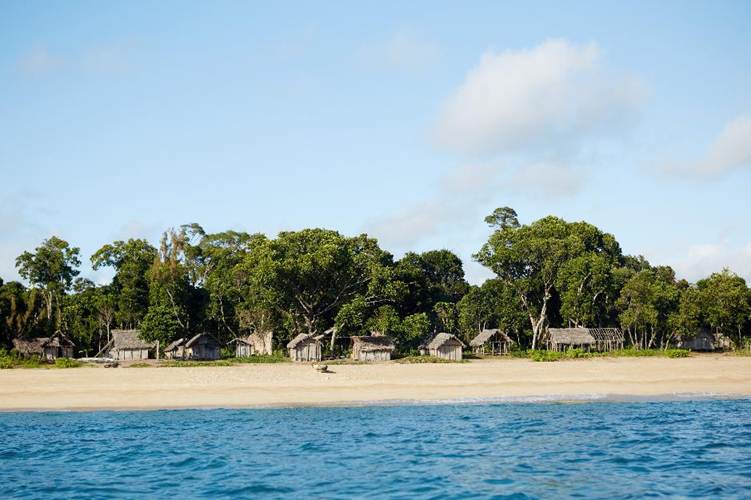
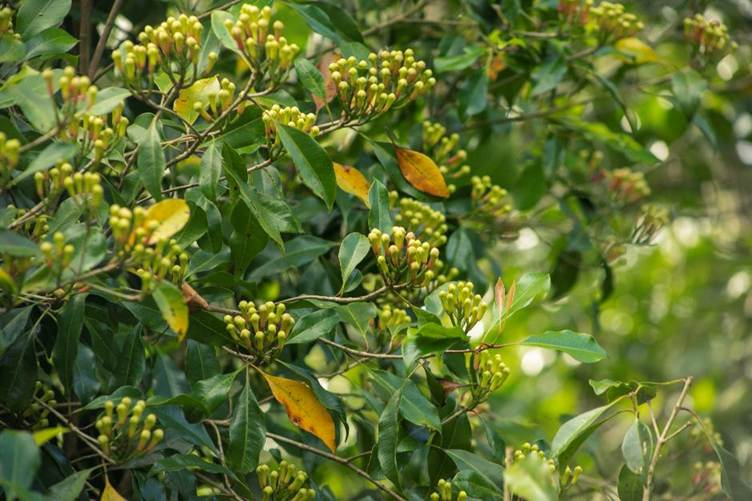
Analanjirofo literally means “the forest of clove trees.” Yet today, it is vanilla that shapes much of the economy of this region in eastern Madagascar. Long overshadowed by SAVA, the historic cradle of Malagasy vanilla, Analanjirofo has gradually established itself as a region capable of producing high-quality vanilla while preserving its natural resources. Behind this transformation lies a conviction: protecting forests requires more resilient communities.
This vision has led Fanamby and its partners to go far beyond agricultural production alone. Organizing producers, supporting women, creating village savings associations, developing income-generating activities… Over the years, these initiatives have profoundly transformed the daily lives of many families. Today, their success extends beyond the scope of the initial project and places Fanamby at the heart of a new initiative: coordinating the development of VSLA groups among several beneficiary households in the Analanjirofo region.
Fostering a New Vanilla Industry
For a long time, whenever vanilla was mentioned in Madagascar, all eyes turned to the SAVA region. That was where production, expertise, and markets were concentrated. Meanwhile, the Analanjirofo region remained an area with largely untapped potential. Yet the natural conditions were in place. What was missing, above all, was a properly structured supply chain.
With this in mind, the Livelihoods investment fund launched a program aimed at developing a sustainable vanilla supply chain in the region. The goal was not only to increase production but also to build a supply chain capable of meeting the demands of international markets while sustainably improving producers’ incomes.
To achieve this, Livelihoods relied on two complementary partners.
The Missouri Botanical Garden (MBG), which manages the Pointe à Larée protected area, contributed its expertise in conservation. Fanamby, for its part, drew on its proven experience in developing sustainable supply chains through the Sahanala model, which had demonstrated that it was possible to reconcile the economic development of rural communities with the preservation of biodiversity.
A social enterprise, Tambatra, was also established to handle the marketing of vanilla and work directly with producer associations.
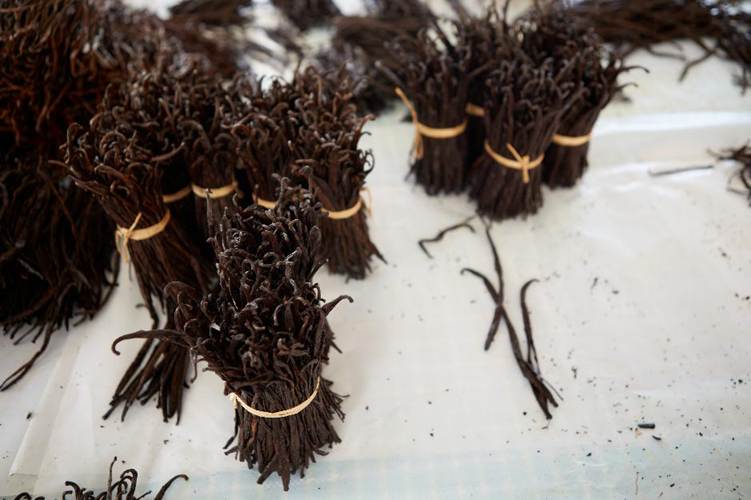
On the ground, Fanamby’s work consisted of guiding producers toward practices that met international standards: improving production quality, structuring farmers’ organizations, building their capacity, and, above all, encouraging the gradual phasing out of vanilla cultivation under primary forests in favor of more sustainable and profitable production systems.
This change was not merely agricultural. The goal was to demonstrate that higher incomes could also be an ally of conservation.
Thinking About the Household, Not Just the Farmer
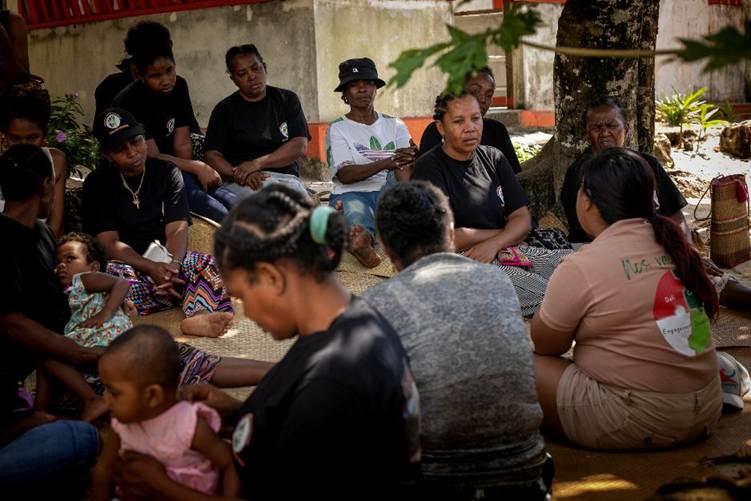
Very quickly, however, one thing became clear. Vanilla producers were predominantly men. Yet the economic stability of households depended on the entire family. If we wanted to sustainably boost household incomes, we also had to create opportunities for women.
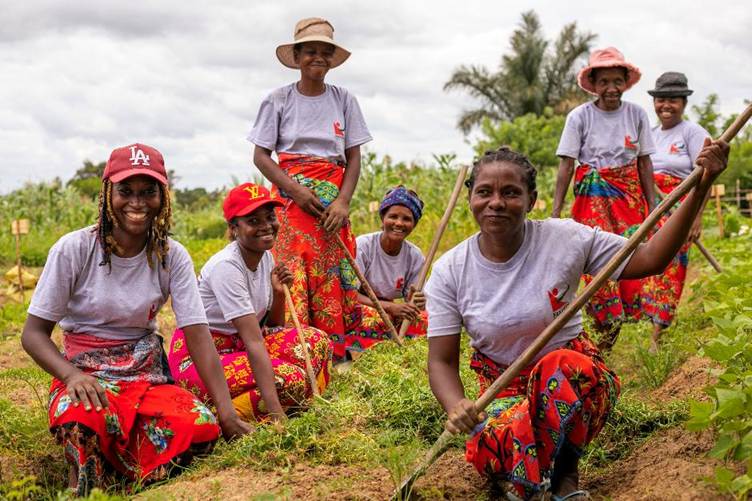
Fanamby then developed several complementary initiatives, including vegetable farming and the creation of Village Savings and Loan Associations, better known by their English acronym: VSLA.
The principle is simple. Members of a group meet regularly to build up a common savings fund. This fund is then used to grant small loans to members to finance their projects or cover daily expenses. The interest generated goes back to the group itself, gradually increasing its savings capacity.
Initially, this activity was just one component among many in the project. No one imagined it would become one of its greatest successes. Today, twenty VSLA groups are active in Fénérive Est. They are made up mostly of women, who use these savings to gradually transform their daily lives.
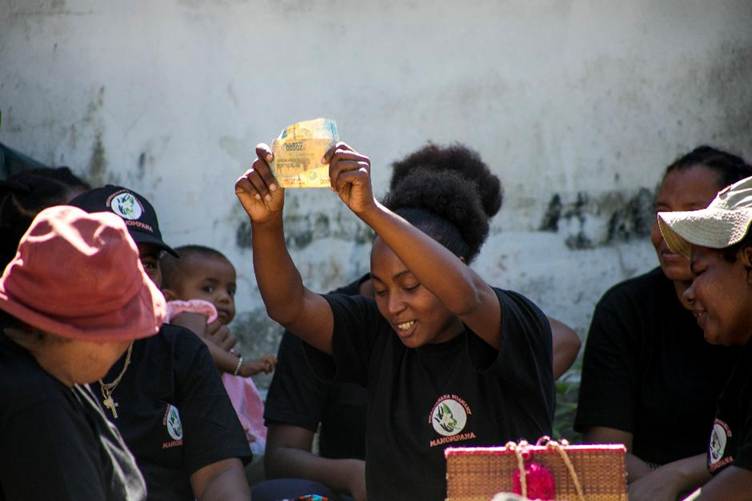
Some have been able to pay their children’s school tuition. Others have expanded their farmland to increase their crop yields. Some have invested in fishing equipment, opening up new economic opportunities for their families. Still others have built their own homes.
And sometimes, change takes a much more subtle—but equally telling—form: buying a mattress. In rural areas, a mattress represents much more than just a comfort item. It’s a sign that a household finally has a safety net, that it can invest in its quality of life without fearing for tomorrow.
These stories remind us that development isn’t measured solely in tons produced or additional income. It’s also evident in the small improvements that give families the chance to look forward to the future.
When Development Becomes a Tool for Conservation
The effects of this approach now extend far beyond the household economy alone.
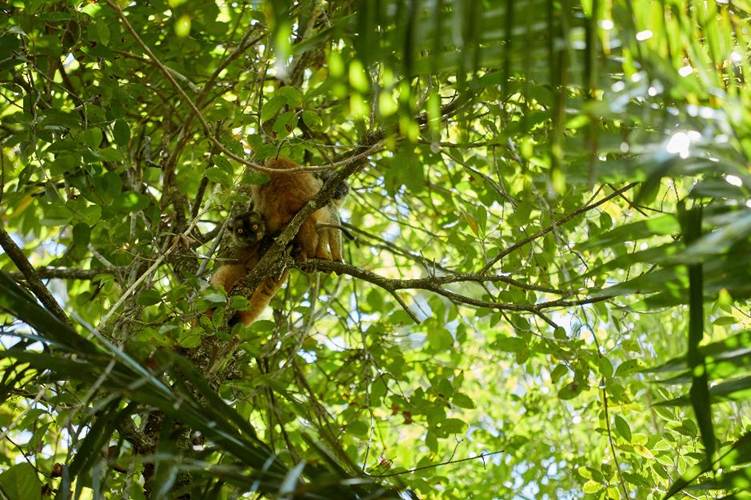
By boosting household incomes through vanilla cultivation, vegetable farming, or VSLA groups, communities become less dependent on forest resources to cope with economic hardships. In Pointe à Larée, this shift has led to a significant decline in illegal logging and a dramatic reduction in forest fires.
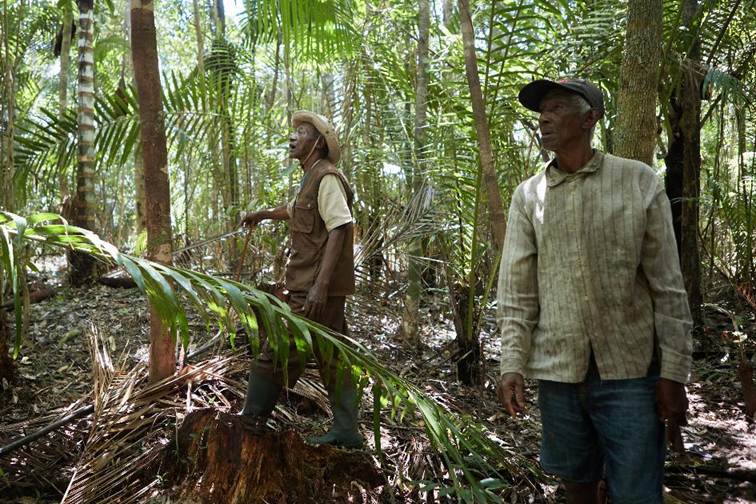
Of course, these results are the product of a collective effort led by all the project’s partners. But they illustrate a deep conviction held by Fanamby: conservation can only produce sustainable results when it also improves the living conditions of the people living around protected areas.
This model, which has already been successfully tested in other regions, demonstrates once again that economic development and biodiversity conservation are not mutually exclusive. They reinforce one another.
A Success Story that now Calls for Coordination
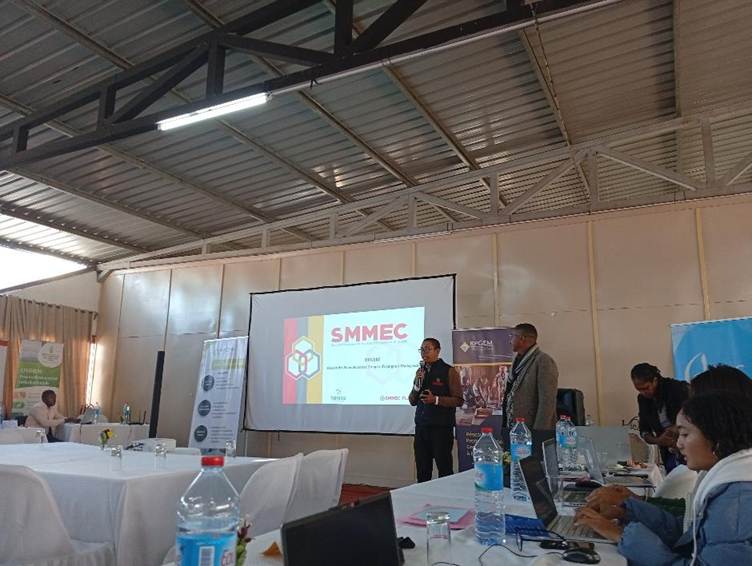
The success of the VSLA groups in Fénérive Est has not gone unnoticed. As these groups demonstrate their effectiveness, new organizations are developing similar initiatives in different regions of Madagascar.
This momentum is excellent news. But it also poses a new challenge: how can we ensure that all promoters work in a complementary manner, without duplicating efforts within the same communities or creating divergent approaches?
It is precisely to address this question that the Network of Savings Group Promoters in Madagascar (RPGEM) is now strengthening its coordinating role.
At its General Assembly held last June, the network’s members reviewed the coordination charter to reaffirm its principles and implementation guidelines. This meeting also served to strengthen the network’s code of ethics and establish regional clusters designed to foster collaboration among developers operating in the same area. Within this framework, Fanamby has been an integral part of the Analanjirofo cluster since April 2026.
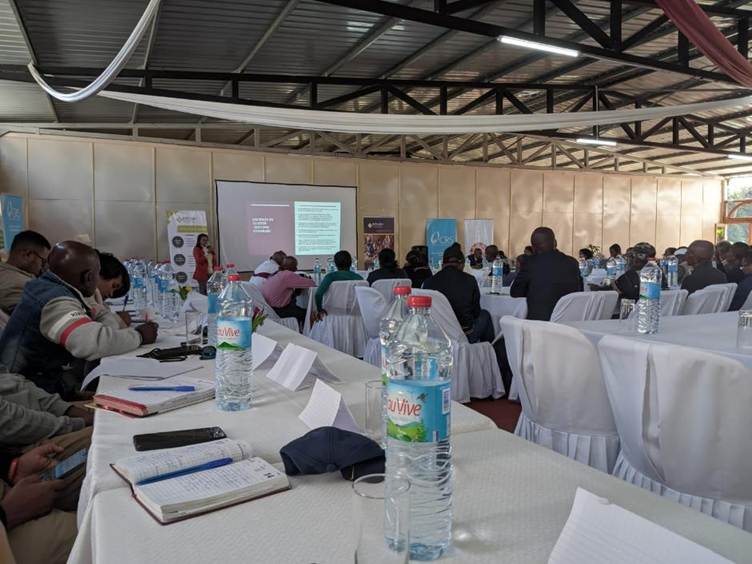
This role is a natural extension of the work Fanamby has been carrying out in the region for several years. Drawing on its field experience and support for twenty VSLA associations, Fanamby now helps bring together the various stakeholders, share best practices, identify common needs, and build a collective vision for the development of VSLAs in the region.
In other words, after helping to build community structures, Fanamby is now helping to shape the entire ecosystem that supports them.
A Success Story that Extends Beyond the Scope of a Single Project
Originally, VSLAs were just one tool among many for strengthening the economic resilience of families involved in a sustainable vanilla supply chain. A few years later, they have become much more than that.
They have enabled hundreds of women to invest in their futures, strengthened the local economy, helped reduce pressure on forests, and inspired a new way of coordinating development actors in the region.
Ultimately, this evolution speaks to something deeper than the success of a single project. It shows that an agricultural supply chain can become a catalyst for regional transformation when it is accompanied by a holistic vision, where producers, families, communities, social enterprises, and organizations work together.
In a region that has long been on the periphery of Madagascar’s major vanilla supply chains, Analanjirofo has every reason to be proud of its journey. Today, it demonstrates that by investing in communities as much as in crops, it is possible to build a stronger economy, better-preserved forests, and a model that other regions can now emulate.