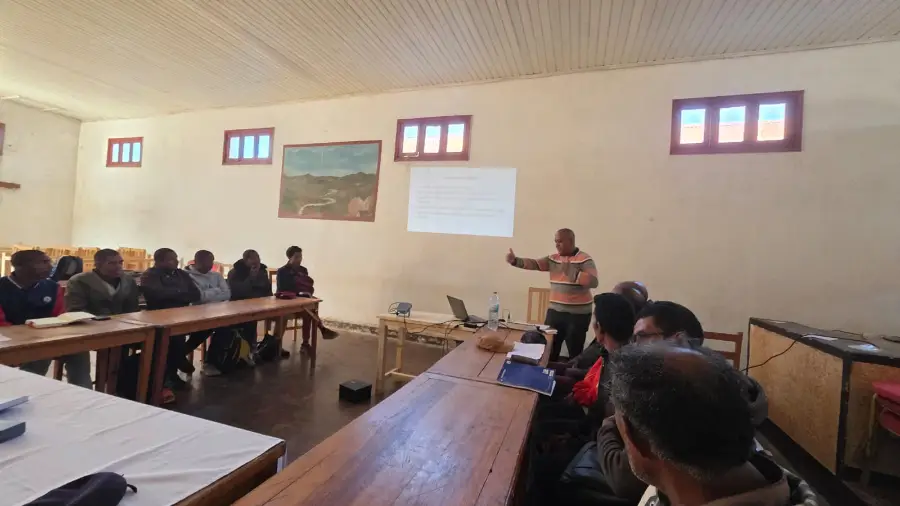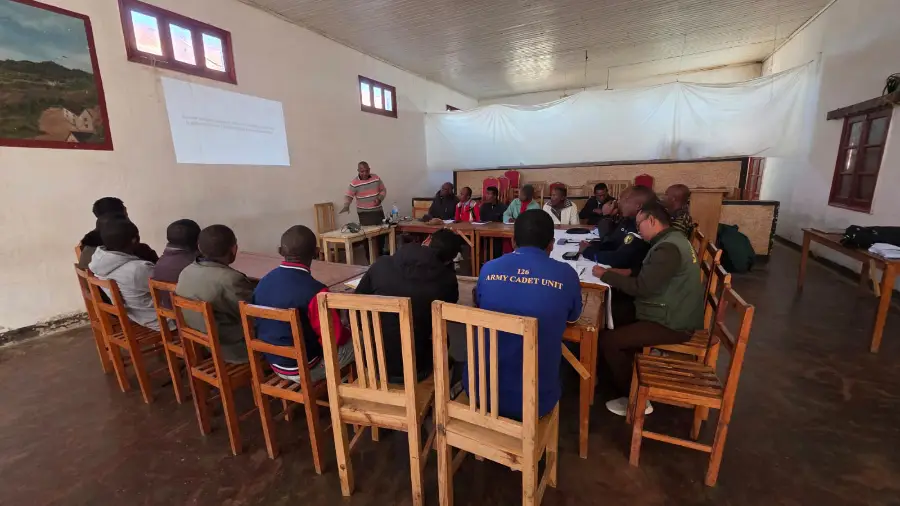
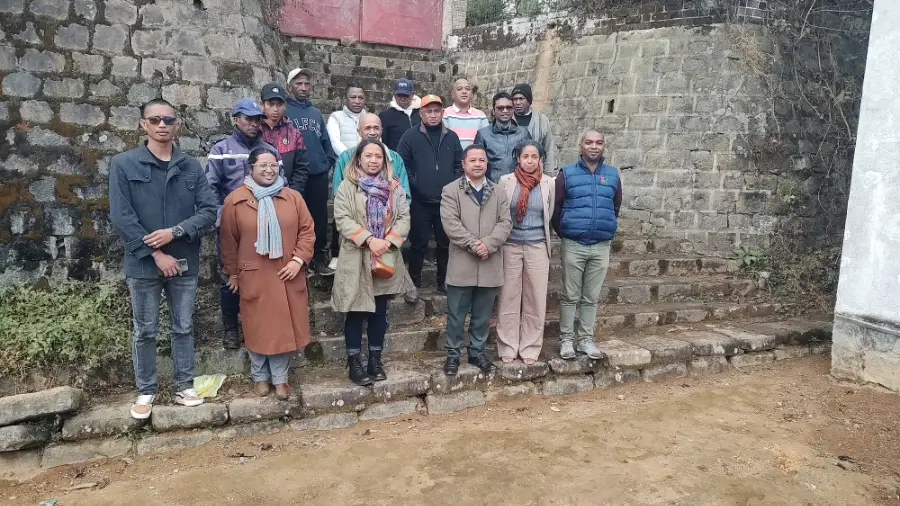
For four months, the Anjozorobe Angavo Protected Area underwent an in-depth assessment of its governance. Authorities, technical services, law enforcement, local communities, partners, and Fanamby teams were consulted, then brought together during three feedback workshops in neighboring districts.
Beyond the diagnostic assessment itself, this initiative opened up a space where everyone can face dysfunctions head-on, acknowledge their share of responsibility, and begin rebuilding a truly shared governance system.
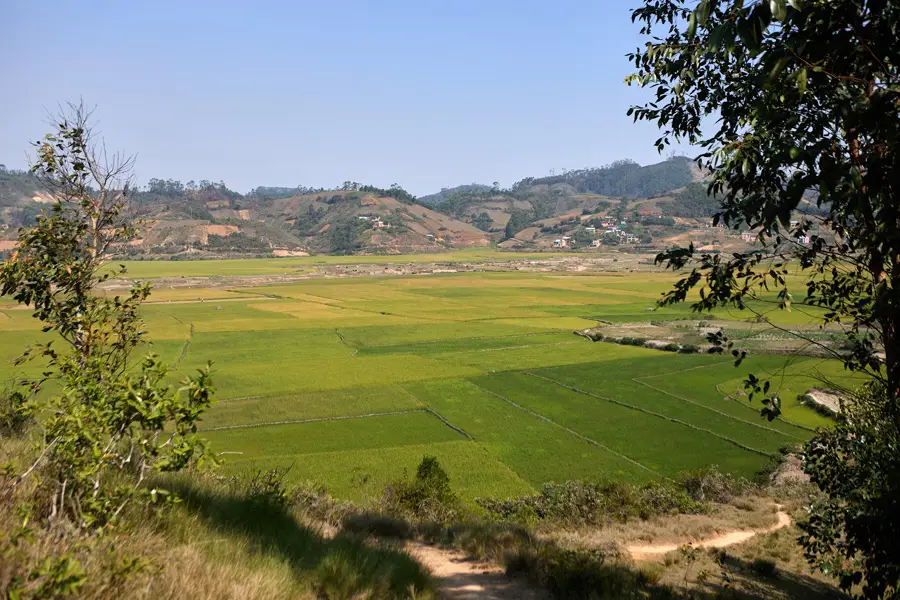
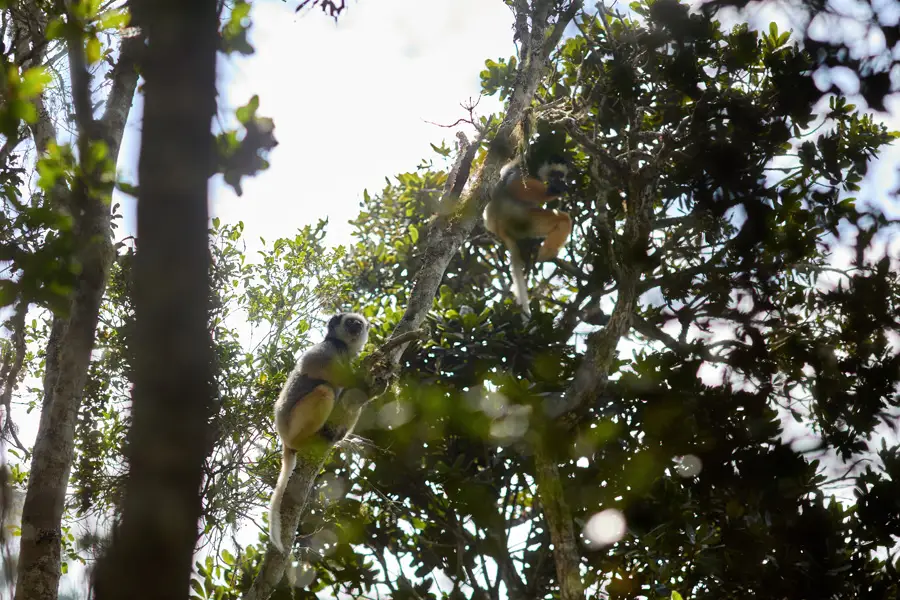
Preserving a protected area is never just about protecting trees, species, or landscapes. It is also about holding together decisions, responsibilities, rules, local expectations, administrative constraints, and field commitments.
In Anjozorobe Angavo, this reality lies at the very heart of the management model. The protected area relies on co-management: in other words, its protection does not depend on a single actor, but on a collective set of institutions, communities, and partners expected to work together. However, this cooperation must remain active and alive.
This is precisely what the study conducted in recent months sought to examine.
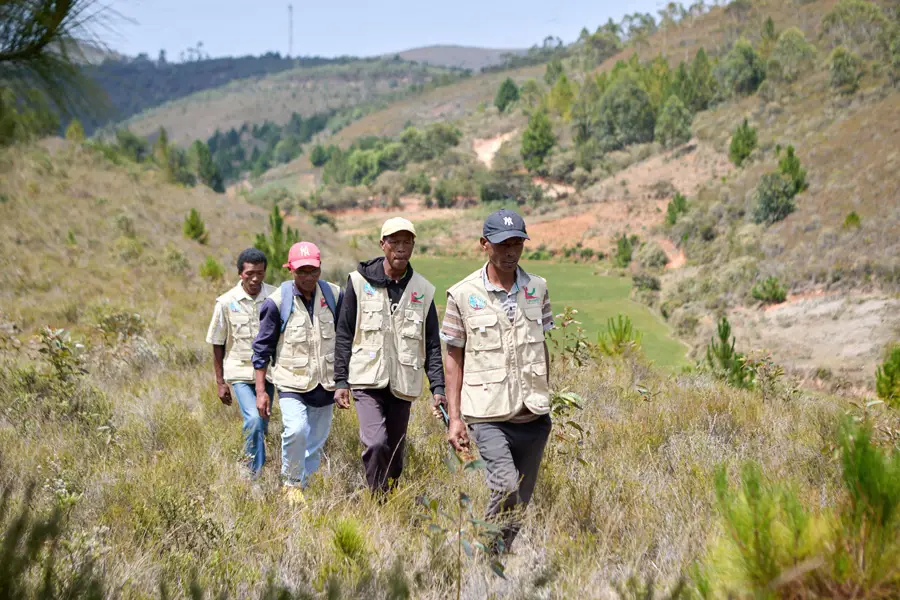
For two months, governance specialists met with stakeholders involved in managing the protected area: state services, local authorities, judicial authorities, security forces, community organizations, local partners, KMTs (Komity Miaro ny Tontolo iainana—local environmental protection committees), village associations (VOIs), as well as Fanamby teams.
The following two months were devoted to analyzing the collected information, prior to feedback sessions organized across the three neighboring districts: Anjozorobe, Manjakandriana, and Moramanga.
Bringing Findings Center Stage
The goal was not to present yet another report. It was about opening an honest discussion on how governance functions today, what is still holding up, and what has weakened over time.
Based on field surveys, a SWOT (Strengths, Weaknesses, Opportunities, and Threats) analysis was used to establish a shared overview. The main finding was widely acknowledged by participants: participatory governance mechanisms exist, but they no longer fully serve their purpose.
Over the years, coordination among stakeholders has weakened. Certain bodies have lost momentum. Exchanges between institutions, communities, and partners have become more irregular. In a protected area where ecological, social, and economic challenges are closely intertwined, this fragmentation limits the collective capacity to act quickly, make clear decisions, and carry forward a shared vision.
Naming these difficulties is no trivial matter. In a co-management system, acknowledging what is not working is already a step toward restoring dialogue.
Honest, Sometimes Heated, Always Useful Discussions
The feedback workshops did not shy away from sensitive topics. Discussions were occasionally lively because they touched upon shared responsibilities, high expectations, and very real bottlenecks.
Each stakeholder group had the opportunity to react to the diagnostic assessment, supplement the findings, clarify the difficulties encountered in the field, and propose avenues for improvement. Thus, the exchanges did not merely serve to validate an analysis; they helped transform a technical assessment into a collective commitment.
Participants worked in particular on priority measures to be implemented to strengthen the protected area’s governance. This step is essential: shared governance cannot simply be decreed. It is built through regular spaces for discussion, clarified roles, and decisions followed through over time.
Decisions to Put Co-Management Back to Work
The workshops resulted in clear decisions: apply priority action plans stemming from the assessment, expand the Steering and Monitoring Committee (COS—Comité d’Orientation et de Suivi) to include more relevant stakeholders, and establish technical committees to monitor key governance areas.
These measures address a finding shared during the study: co-management tools already exist, but they need to be reactivated and better organized. The goal now is to clarify roles, ensure regular follow-up on decisions, and strengthen coordination among institutions, communities, and partners.
At Anjozorobe Angavo, the assessment will not remain just another document on a shelf. It marks the start of a new, more operational phase, where shared governance must translate into better-distributed responsibilities, meaningful meetings, and sustained action on the ground.