
In Menabe Antimena as at the Alley of the Baobabs, conservation relies on more than firebreaks, patrols, and forest restoration. It also passes through rice fields, beehives, artisan kiosks, tree nurseries, and new tourism circuits: income sources that, by easing pressure on natural resources, turn the protection of protected areas into a shared endeavor.
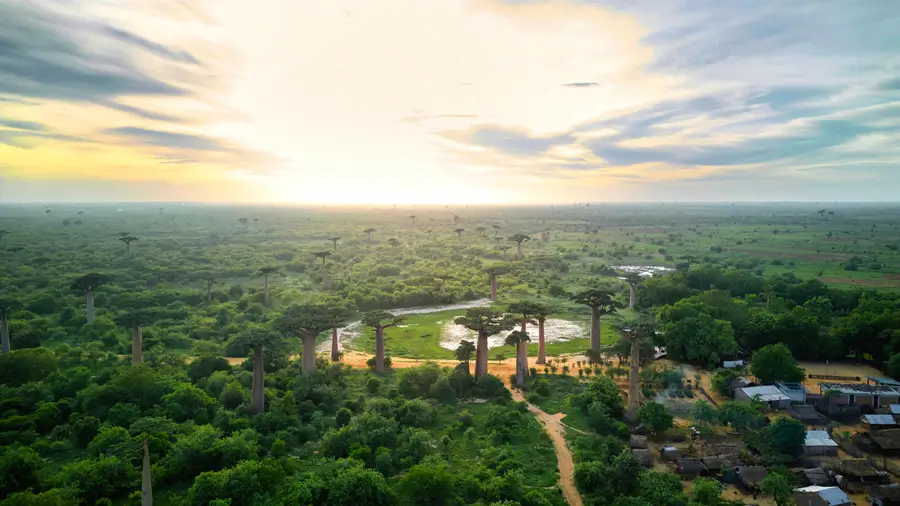
When Menabe is mentioned, the same images often come to mind: fires, land clearing, forests under pressure, baobabs weakened by a changing climate. These realities are indeed present and continue to mobilize the bulk of conservation efforts. Yet, alongside them, another initiative exists—less visible, but just as decisive.
In Menabe Antimena and around the Alley of the Baobabs, protecting is not limited to monitoring, preventing, or reforesting. It is also about offering other options to families living on the fringes of protected areas. A household that depends less on the forest to survive gradually stops experiencing conservation as a constraint imposed from elsewhere; it becomes a matter of income, stability, and future.
Income Taking Root
Diversifying income sources: the objective fits in a single sentence, but its implementation requires steady commitment.
In the Menabe Antimena Protected Area, 64 households are supported across three supply chains—rice farming, beekeeping, and poultry farming, particularly raising local poule gasy chickens—with assistance that extends beyond training: 80 beekeeping kits, 80 agricultural kits, and fruit trees distributed to 160 households.
Over three years, the figures tell a story of real, if modest, progress:
- Rice farming: from an average annual income of 120,000 to 400,000 Ariary per household
- Beekeeping: from 50,000 to 250,000 Ariary
- Poultry farming: from 25,000 to 140,000 Ariary
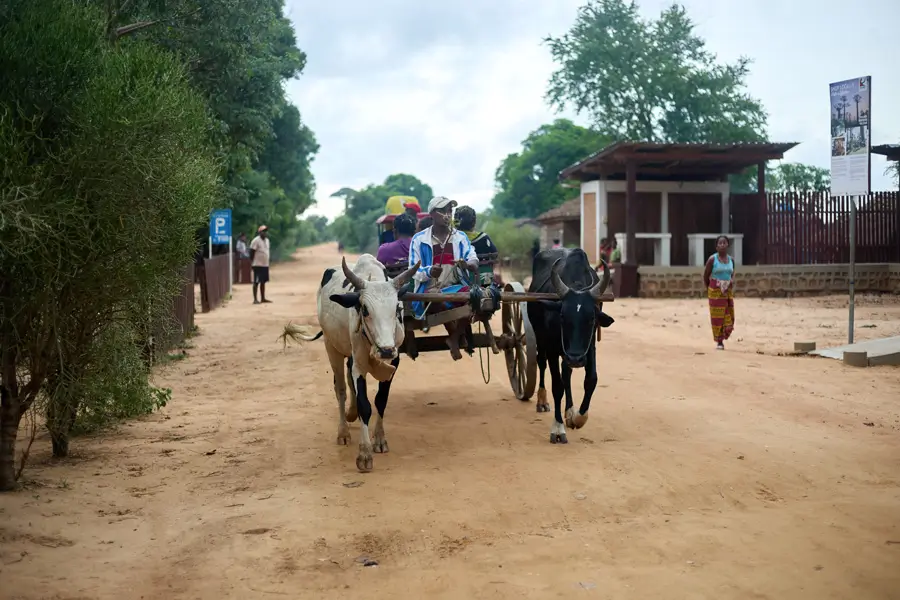
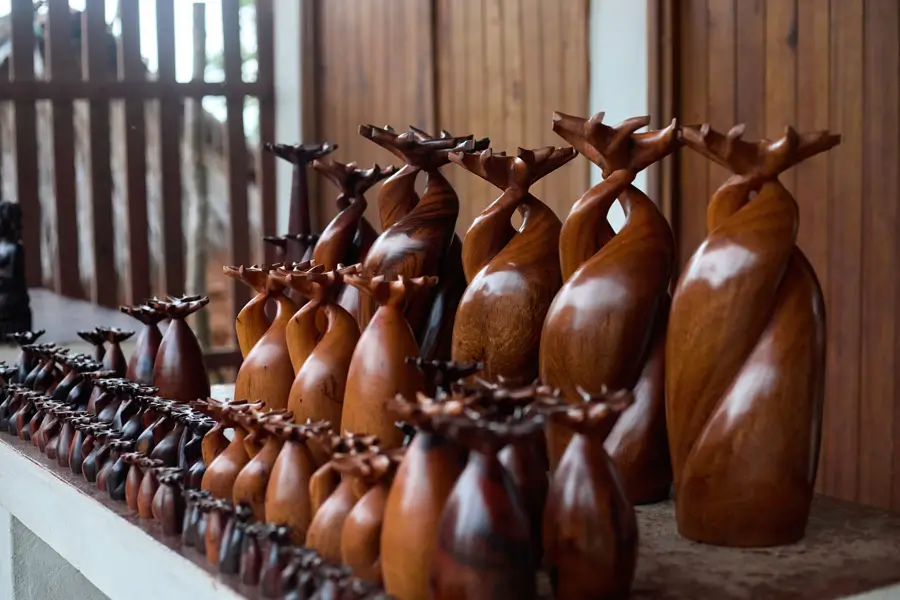
At the Alley of the Baobabs, eight artisan kiosks enable 37 households—122 members of the FIVOARANA association—to sell Malagasy products to visitors, earning an average monthly income between 400,000 and 631,471 Ariary per beneficiary household. Tourist visits cease to be a mere curiosity and become a concrete source of revenue.
Cultivating Elsewhere to Preserve Better
Agricultural pressure remains one of the main challenges in these protected landscapes. In Andrenala Betrongo, 120 hectares of legal agricultural land were allocated to 90 households, or about 2.5 hectares each—enough to farm outside sensitive zones.
Initial results are encouraging: around 2.5 tons of rice produced per household, with 1 ton for self-consumption and 1.5 tons sold, generating nearly 1,800,000 Ariary in income. By establishing a legal framework for agriculture, this initiative proportionately reduces reliance on the most destructive practices, starting with slash-and-burn farming.
Forest restoration itself generates income: at the Alley of the Baobabs, the tree nursery managed by patrollers produced 7,000 saplings, sold for nearly 7,000,000 Ariary—funding reforestation while sustaining it.

Structuring Local Value Chains
Developing an activity is not enough; it must also be organized. Around Lake Kimanomby in Menabe Antimena, a study conducted among 786 fishing households and 9 collectors across 3 fokontany is laying the groundwork for reorganizing inland fishing. The economic weight of this sector is far from negligible: an average monthly production of 175 kg per household, bringing in about 962,000 Ariary in monthly income, or nearly 8,662,000 Ariary over a nine-month season.
The private sector is also contributing. Agreements with GSM, Akiba, Le Relais de Kirindy, and Jovena facilitate the marketing of local products—notably, two agreements with Akiba allow community associations to sell honey, embroideries, hats, and bags at the Akiba Lodge shop in Marofandilia. At the Alley of the Baobabs, similar agreements among associations, communes, and private partners regulate economic activities and fee distribution mechanisms.
Tourism: A Gateway to Organize
Between January and November, the Alley of the Baobabs welcomed 56,753 visitors—a figure that highlights the potential benefits when such an iconic site is well managed.
In Menabe Antimena, the future Ampataka ecotourism circuit, scheduled to open in 2026, is already in preparation: 30 tour guides, including eight women, were trained in June 2025. They will accompany visitors and earn a guiding fee of 20,000 Ariary per person, transforming what was once informal knowledge of the land into a paid skill.
Conservation Built on Simple Fundamentals
Fires, land pressures, and illegal activities have not disappeared, and Menabe remains a territory that demands constant vigilance. But alongside monitoring, restoration, and firebreaks, another response is taking shape: diversified income, legal land access, better-structured value chains, stronger partnerships, reinforced infrastructure—such as boreholes at the Alley of the Baobabs and bridges/causeways in Menabe Antimena—and closer coordination among communities, local authorities, technical and financial partners, the DRAE, and the private sector.
Protecting Menabe is not just about saving trees or species. It is about giving families living around these areas a meaningful role in this protection—and turning conservation from a mere goal into a shared responsibility.