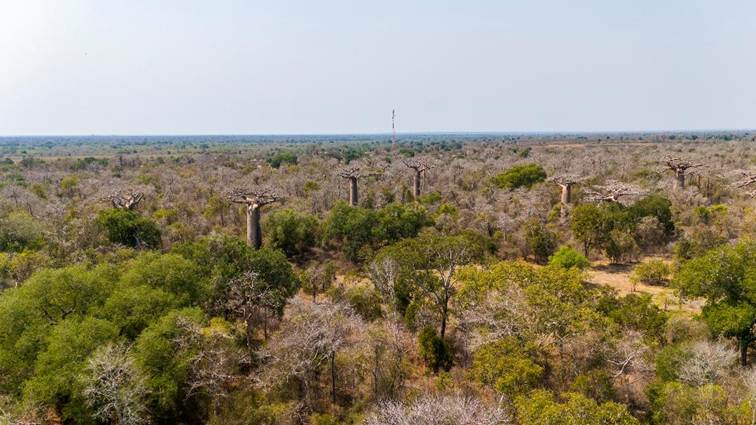
Over the course of three days in Morondava, partners of the HEMPEL project came together for the project’s Steering Committee meeting. The gathering provided an important opportunity to review progress made since 2023, assess achievements from the first half of 2026, and define strategic priorities for strengthening the long-term protection of the Baobab Landscape, including the Menabe Antimena Protected Area. By combining structured discussions with a field visit, the meeting helped connect reported results with realities on the ground.
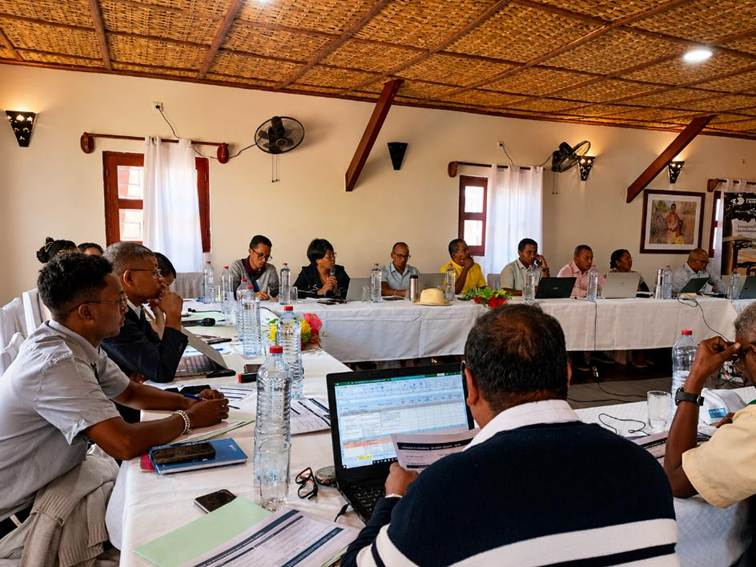
In conservation, action alone is not enough. It is also essential to evaluate what is working, identify the factors that may be slowing progress, and adjust approaches when field conditions require it. This is the value of a Steering Committee: it brings partners together to take a step back, share perspectives, and agree on the most effective path forward.
For the HEMPEL project, this year’s meeting served as a moment to reflect on three years of implementation and to examine in greater detail the activities carried out during the first half of 2026. The discussions highlighted meaningful progress in several key areas, including protected area surveillance, ecological restoration, wildfire prevention, and support for local communities.
Results Confirmed Through Field-Level Evidence
The data presented during the Steering Committee meeting demonstrated the scale and consistency of the work undertaken. In 2025, more than 10,300 patrols were conducted to strengthen protection across the landscape. At the same time, 55 hectares were placed under ecological restoration, and more than 123,000 seedlings were produced to support reforestation efforts.
Beyond its environmental objectives, the project has also contributed to local development. A total of 185 local jobs were created or maintained, while 167 households received support to develop income-generating activities. These achievements are particularly significant in a context where wildfire remains a major challenge in Menabe Antimena, even as encouraging signs of progress continue to emerge.
However, a Steering Committee is not limited to reviewing indicators. The true value of data lies in its ability to reflect, and be tested against, the realities experienced in the field.
Anketrevo: Connecting Data with Local Realities
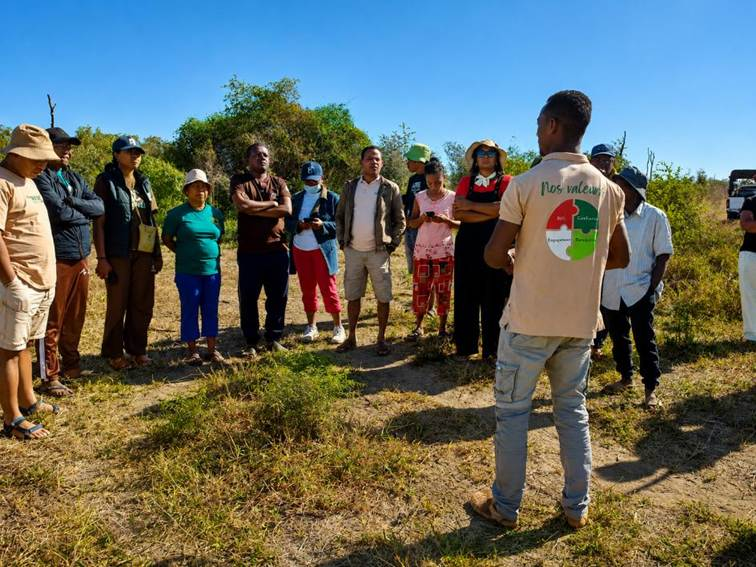
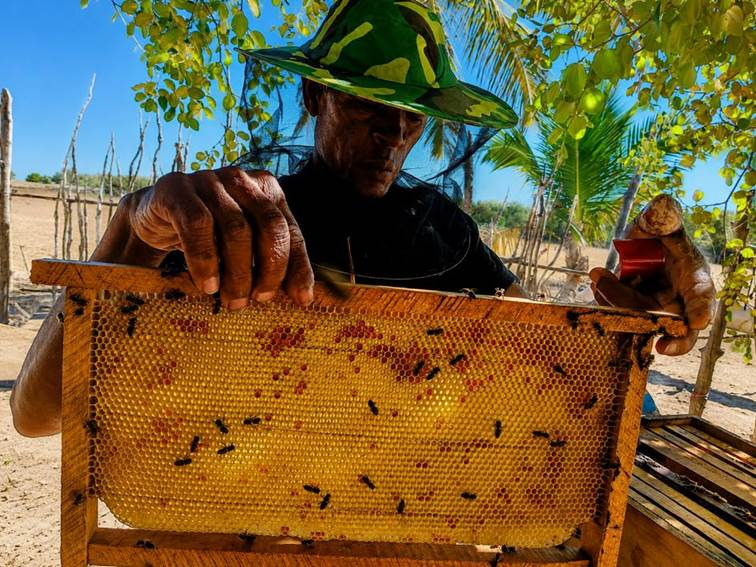
The field visit to Anketrevo was one of the key highlights of the meeting. Members of the Steering Committee observed rice farming and beekeeping initiatives developed in partnership with local communities. These activities provide practical and sustainable economic alternatives, while also helping to reduce pressure on forest resources.
This field visit enabled partners to observe progress directly and engage with both field teams and community members. These exchanges provided valuable insights into local needs, operational challenges, and priority areas where further support will be needed moving forward.
Clear Priorities for the Next Phase
The discussions resulted in several recommendations designed to strengthen the project’s impact in the months ahead.
A key priority is to expand project activities so that more households can benefit from sustainable livelihood opportunities. Participants also emphasized the importance of consolidating support for households already involved, sustaining wildfire prevention efforts, improving coordination among partners, and adapting interventions to the specific realities of each territory.
These recommendations reflect a shared understanding among project stakeholders: long-term conservation can only be achieved when it moves forward in partnership with the communities who live within these landscapes.
The Steering Committee concluded with a clear roadmap: consolidate achievements, address remaining challenges, and continue strengthening a collaborative approach based on partnerships between public institutions, technical partners, and local communities. Protecting the Baobab Landscape means more than safeguarding an exceptional forest; it also means building, year after year, the conditions for biodiversity and people to thrive together.